
DataGreat Founder Alper Tekin Analyzes Iran-Israel-US Risk to Turkish Tourism
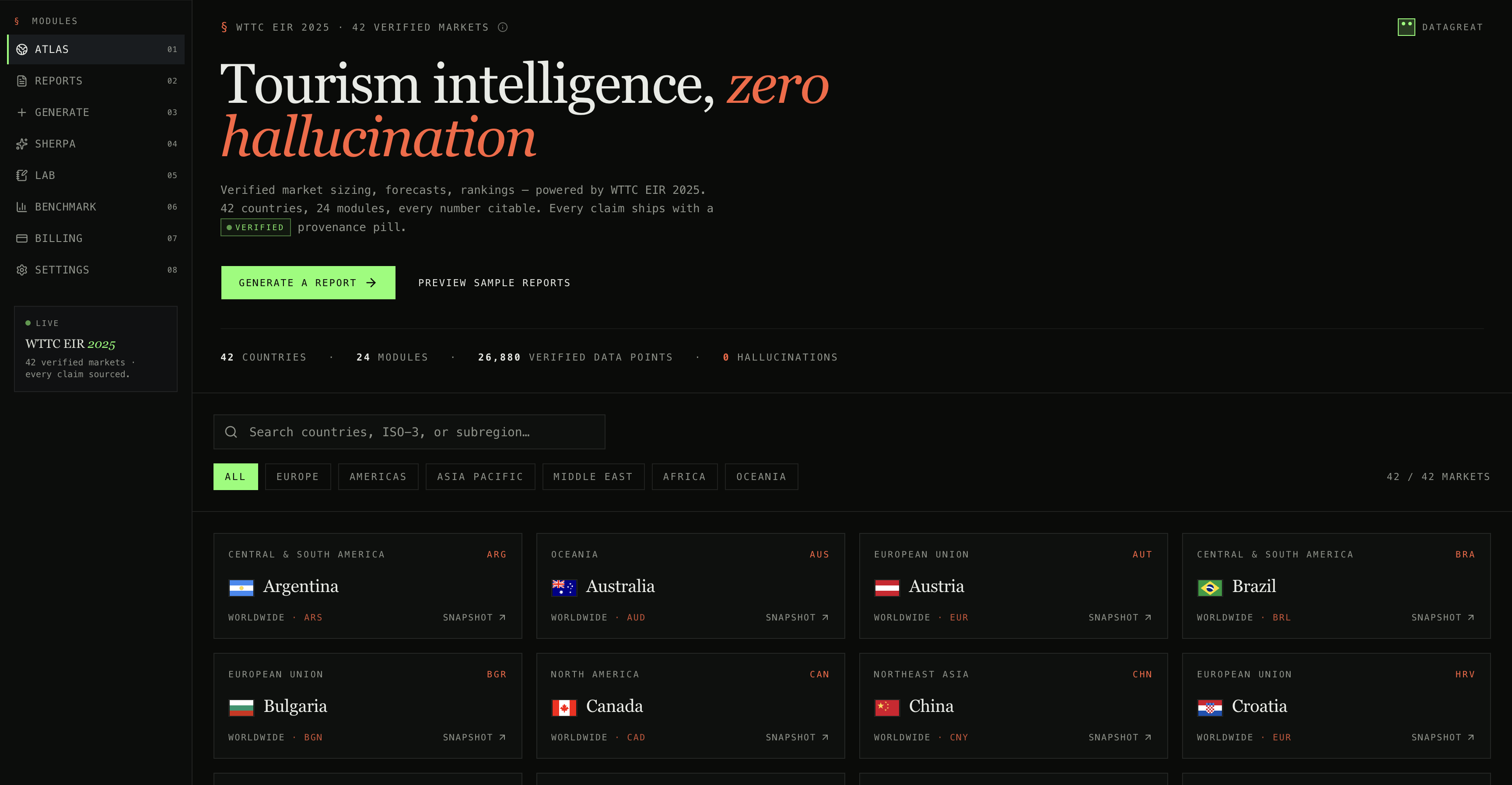
The DataGreat platform interface, showing the Country Snapshot workflow, one of eight named research presets covering 42 tourism economies.
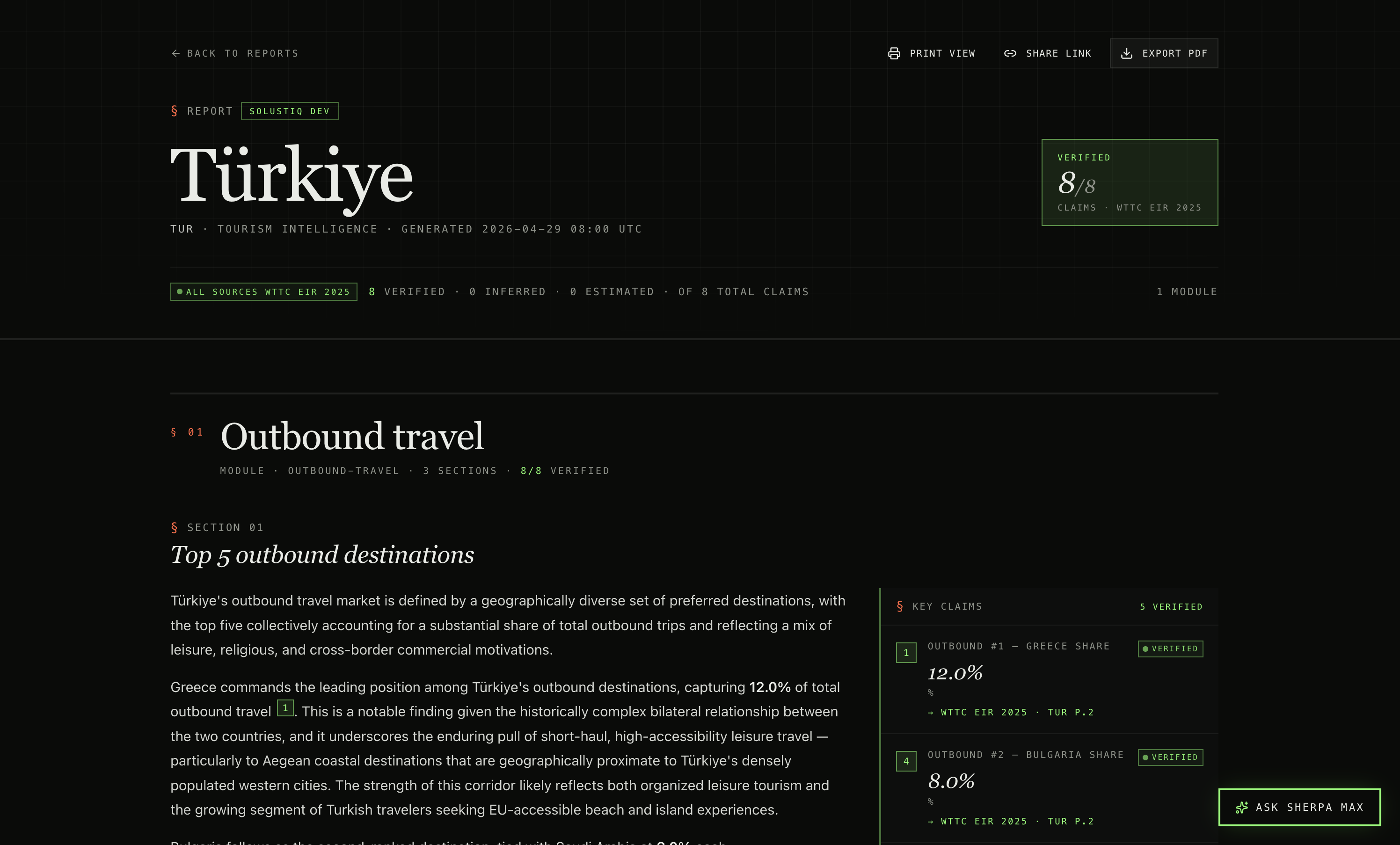
The DataGreat platform interface, showing the Country Snapshot workflow, one of eight named research presets covering 42 tourism economies.

Alper Tekin - Safaryar Holidays Founder
Three WTTC-grounded scenarios regional escalation, Russian outbound shock, and TRY/USD volatility show where Turkish tourism is most exposed to the conflict
EDIRNE, TURKEY, May 10, 2026 /EINPresswire.com/ -- Tourism intelligence platform DataGreat today released a scenario analysis modeling how a sustained Iran–Israel–United States escalation could affect Turkish tourism, the country's third-largest export sector. The analysis was run by founder Alper Tekin on DataGreat's Crisis Impact Simulator, layered over the WTTC Economic Impact Report 2025 dataset.
Türkiye's exposure to the conflict theater is structural, not incidental. Six of the country's top ten inbound source markets — including Russia, Germany, the United Kingdom, Iran, Bulgaria, and Georgia — sit within roughly 3,000 kilometers of the Iran–Israel axis. Tourism contributes more than 11 percent of Turkish GDP and supports approximately three million direct jobs, according to WTTC figures cited inside the platform.
DataGreat's Crisis Impact Simulator does not forecast. It runs deterministic scenario rules over WTTC and World Bank data; a generative-AI layer produces only the explanatory narrative. Every numeric claim in a simulator output cites a source identifier, and outputs whose figures cannot be matched to the dataset are refused at the platform layer — a guardrail Tekin calls "zero hallucinations."
Scenario A: Regional escalation. A widening of the conflict that produces airspace disruption, sanctions tightening, or insurer-driven route reroutings. The Simulator's primary signal for Türkiye is a perception-spillover hit on European leisure demand, with Germany, the United Kingdom, and the Netherlands most likely to defer rather than cancel. EU-source business travel registers higher resilience than leisure.
Scenario B: Russian outbound shock. Russia is Türkiye's largest single inbound source. The Simulator stress-tests a 20 to 35 percent decline in Russian outbound to Türkiye over twelve months, driven by a combination of further sanctions, payment-corridor friction, and ruble pressure. The modeled exposure concentrates on the Antalya and Muğla coastal corridors and on operators with Russian-charter dependency.
Scenario C: TRY / USD volatility shock. A risk-premium spike on the Turkish lira tied to the US–Iran axis. The Simulator separates two effects: a transient lift to dollar-denominated receipts as Türkiye becomes a cheaper destination, offset by compression in domestic-leisure demand as households reprice discretionary spend.
Tekin said the work is a planning tool, not a forecast. The platform was built to let destination management organizations and operators run these scenarios before a news event materializes, rather than commission them after the fact.
The full simulator output for each scenario including segment vulnerabilities, mitigation levers, and watchlist indicators is available to credentialed media on request, alongside complementary readings from DataGreat's Risk Radar module, which scores 42 countries weekly across six tourism risk categories.
About DataGreat
DataGreat is a tourism intelligence platform built on the WTTC Economic Impact Report 2025 dataset, covering 42 countries and 26,880 verified data points. Its product suite includes a Persona Builder, Risk Radar, Campaign Brief Generator, and Crisis Impact Simulator. The platform is operated by Solustiq Yazılım ve Yapay Zeka Teknolojileri A.Ş., headquartered in Edirne, Türkiye.
Alper Tekin
Datagreat.com
hello@datagreat.com
Legal Disclaimer:
EIN Presswire provides this news content "as is" without warranty of any kind. We do not accept any responsibility or liability for the accuracy, content, images, videos, licenses, completeness, legality, or reliability of the information contained in this article. If you have any complaints or copyright issues related to this article, kindly contact the author above.
